
Talbinah: The Powerful Islamic Food That Can Truly Transform Your Health
What Is Talbinah: The Islamic Food You Probably Do Not Know About
Talbinah, the Islamic food that dates back over 1400 years, is one of the most overlooked superfoods in the world today. It is a simple, warm porridge made from barley flour or bran, water or milk, and often sweetened with honey. The name “talbinah” comes from the Arabic word “laban,” which means milk, and that is because the dish has a soft, milky, creamy texture once it is cooked.
This humble food was mentioned in Hadith literature and was personally recommended by Prophet Muhammad (Peace Be Upon Him). Despite being so old, the health benefits of talbinah align surprisingly well with what modern nutrition science tells us today. If you have never heard of it before, now is a good time to get familiar with it.
The Islamic Background of Talbinah
The Prophet Muhammad (PBUH) spoke highly of talbinah in several authentic hadiths. One well-known narration reported by Aisha (RA) says:
“The talbinah gives rest to the heart of the patient and makes it active, and relieves some of his sorrow and grief.” (Sahih Bukhari)
In another narration, Aisha (RA) used to recommend talbinah for the sick and the grieving. She described it as disliked by some people even though it was beneficial for them, which sounds very relatable even today. We often avoid the things that are actually good for us.
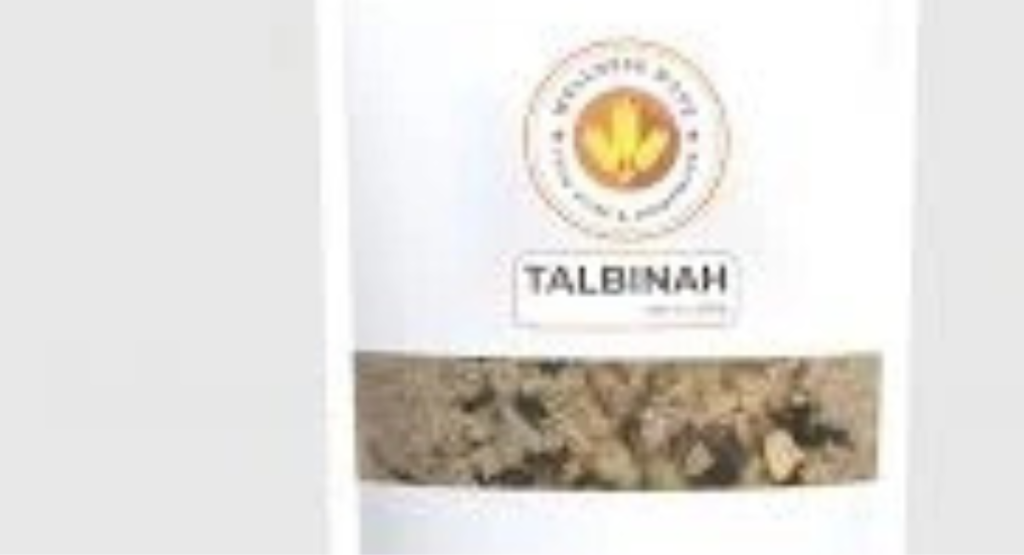
This shows that talbinah the Islamic food was not just a physical remedy. It was also seen as something that could comfort the heart and ease emotional pain. That connection between food and emotional wellbeing is something that modern researchers are now just beginning to fully understand.
Health Benefits of Talbinah the Islamic Food
Talbinah Supports Heart Health
Barley, the main ingredient in talbinah, is rich in beta glucan. This is a type of soluble fiber that has been widely studied for its ability to reduce bad cholesterol (LDL) levels. Lower LDL levels mean a healthier heart and a lower risk of cardiovascular disease. Eating talbinah regularly can be a gentle and natural way to take care of your heart.
It Helps With Depression and Anxiety
The Prophet (PBUH) mentioned talbinah as a remedy for grief, and science backs this up. Barley contains tryptophan, which is an amino acid the body uses to produce serotonin. Serotonin is the “feel good” chemical in the brain. When your serotonin levels are balanced, you feel calmer, happier, and less anxious. This makes talbinah the Islamic food a natural mood booster.
Talbinah Is Great for Digestion
The high fiber content in barley supports healthy digestion. It feeds the good bacteria in your gut, helps prevent constipation, and keeps your digestive system running smoothly. People who suffer from bloating or slow digestion may find real relief by adding talbinah to their diet.
It Provides Steady Energy
Unlike sugary breakfast options that spike your blood sugar and then crash it, talbinah provides slow and steady energy. The complex carbohydrates in barley are broken down gradually by the body, keeping you full and energized for longer. This makes it an ideal breakfast, especially during Ramadan or recovery periods.
Talbinah Supports Recovery from Illness
Aisha (RA) recommended talbinah specifically for sick people. When someone is unwell, they need food that is easy to digest, nourishing, and gentle on the stomach. Talbinah checks all these boxes. It is soft, warm, and packed with nutrients like magnesium, iron, zinc, and B vitamins.
How to Make Talbinah at Home
Making talbinah is simple and requires very few ingredients.
What you need:
: 2 tablespoons of barley flour or fine barley bran : 1.5 cups of water or milk : Honey to taste (added after cooking)
Steps:
- Add the barley flour to the water or milk in a small saucepan.
- Stir well to remove any lumps.
- Cook on a low to medium flame while stirring continuously for about 5 to 7 minutes until it thickens to a soft porridge consistency.
- Remove from heat and allow it to cool slightly.
- Add honey and stir before serving.
That is it. It takes less than 10 minutes and costs very little. Yet the benefits are enormous.
Who Should Eat Talbinah?
Talbinah the Islamic food is suitable for almost everyone. It is especially beneficial for:
: People going through stress, grief, or emotional difficulty : Patients recovering from illness or surgery : Those with high cholesterol or heart concerns : People looking for a healthy and filling breakfast : Elderly people who need gentle, nutritious food : Children who need sustained energy throughout the day
Why Talbinah Is Still Relevant Today
We live in a world full of processed food, instant meals, and chemical-loaded snacks. Talbinah stands as a beautiful reminder that simplicity and nature have always been the best healers. The fact that this food was praised by the Prophet Muhammad (PBUH) over 14 centuries ago, and that science today confirms its benefits, is something truly remarkable.
More and more people around the world are returning to natural, wholesome foods. Talbinah fits perfectly into this movement. It is affordable, easy to make, backed by both faith and science, and genuinely good for the body and the mind.
If you are looking for a food that connects you to your faith while also taking care of your health, talbinah the Islamic food is the answer.
Frequently Asked Questions About Talbinah
Q: What is talbinah made of? Talbinah is made from barley flour or bran, cooked in water or milk, and sweetened with honey. It is a simple, natural porridge with deep roots in Islamic tradition.
Q: Is talbinah mentioned in the Quran? Talbinah is not mentioned in the Quran directly, but it is referenced in authentic Hadiths, particularly those narrated by Aisha (RA) in Sahih Bukhari.
Q: Can talbinah help with depression? Yes. Barley contains tryptophan, which helps the body produce serotonin. Serotonin plays a key role in regulating mood, stress, and anxiety. This supports what the Prophet (PBUH) said about talbinah giving rest to the heart.
Q: How often should I eat talbinah? You can eat talbinah daily, especially as a morning breakfast. There is no restriction on how often to consume it, and regular intake may bring the most benefit.
Q: Can diabetics eat talbinah? Barley has a low glycemic index, which means it does not spike blood sugar quickly. Talbinah may actually be beneficial for people managing blood sugar levels, but it is always best to consult your doctor before making dietary changes.
Q: Is talbinah the same as porridge? They are similar in texture and preparation method, but talbinah is specifically made from barley, while regular porridge is usually made from oats. The ingredient difference makes talbinah unique in its nutritional profile and its Islamic significance.
Final Thoughts
Talbinah the Islamic food is one of those rare gifts that serves the body, the mind, and the soul all at once. It is easy to make, easy on the stomach, and deeply rooted in prophetic wisdom. Whether you are going through a tough time emotionally, recovering from sickness, or simply looking for a healthier breakfast choice, talbinah deserves a place in your kitchen